Dental technology and master laboratories in implantology
Dental technicians and master laboratories guarantee high quality standards for dental implants.
Guided implantology
Guided, or template-guided, implantology can shorten treatment time. The placement is planned virtually with special software. If the dentist chooses template-assisted or navigated surgery, the laboratory produces a surgical guide from the data of the three-dimensional diagnostics. It ensures the exact implant position and alignment, and a drill stop adds safety and helps in preparing the implant site.
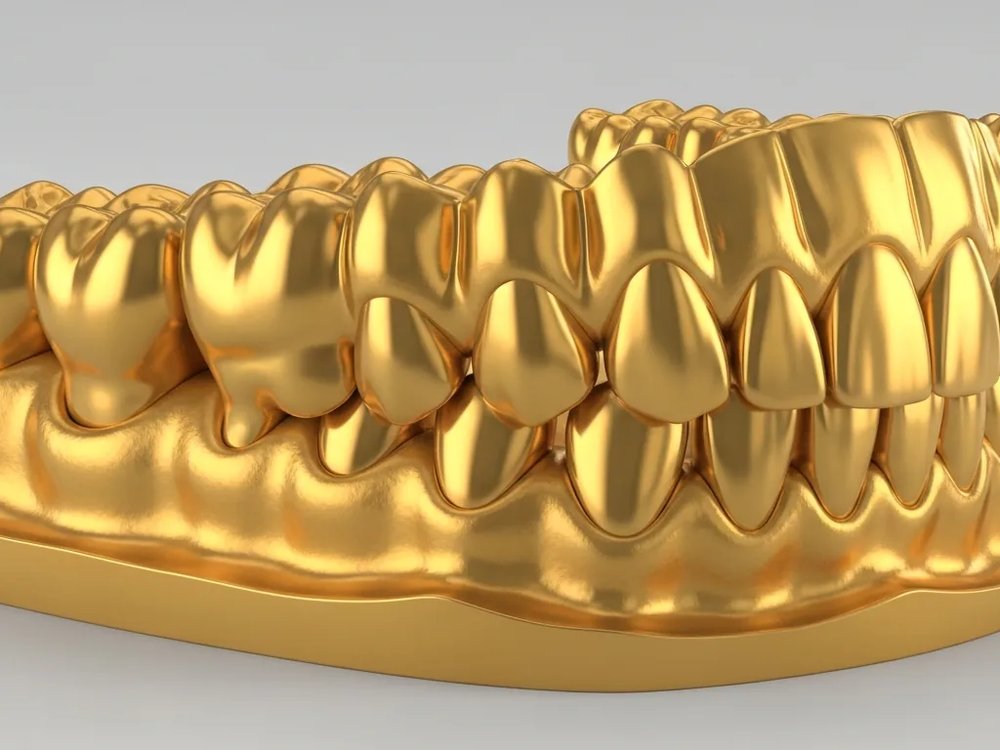
Dental technology
The work of the master laboratory
A person's teeth and bite are as individual as their fingerprint. A restoration therefore means more than replacing teeth, crowning them and filling gaps. A high-quality restoration pays for itself: it gives pleasure over the long term and convinces through demanding aesthetics and quality. Every piece of dental work is a one-off, made individually for one patient.
In German practice and master laboratories, high quality standards, sound training and continuous professional development produce modern dental technology using innovative, high-quality and well-tolerated materials.
In Germany, restorations are made exclusively in accordance with the Medical Devices Act implementing EU Directive 93/42/EEC. For dentist and patient that means warranty, legal clarity and reliability. Only CE-certified materials are processed, from high-grade gold alloys through titanium and all-ceramics to base metals. These are decisive arguments for working with a qualified German master laboratory.
The medical and aesthetic demands on dental technicians and master laboratories keep rising. Implant-supported teeth should look natural, and dental technology makes sure the new teeth match their surroundings in shape and colour. Aesthetics matter particularly in the visible area of the front teeth.
Implants make it possible to shape the gum perfectly, a basic requirement for what is known as red-and-white aesthetics: tooth and gum should form a harmonious whole. Prosthetically oriented planning involves the whole treatment team from the outset. Dentist, surgeon where involved, and dental technician plan together and keep the prosthetic result in focus.
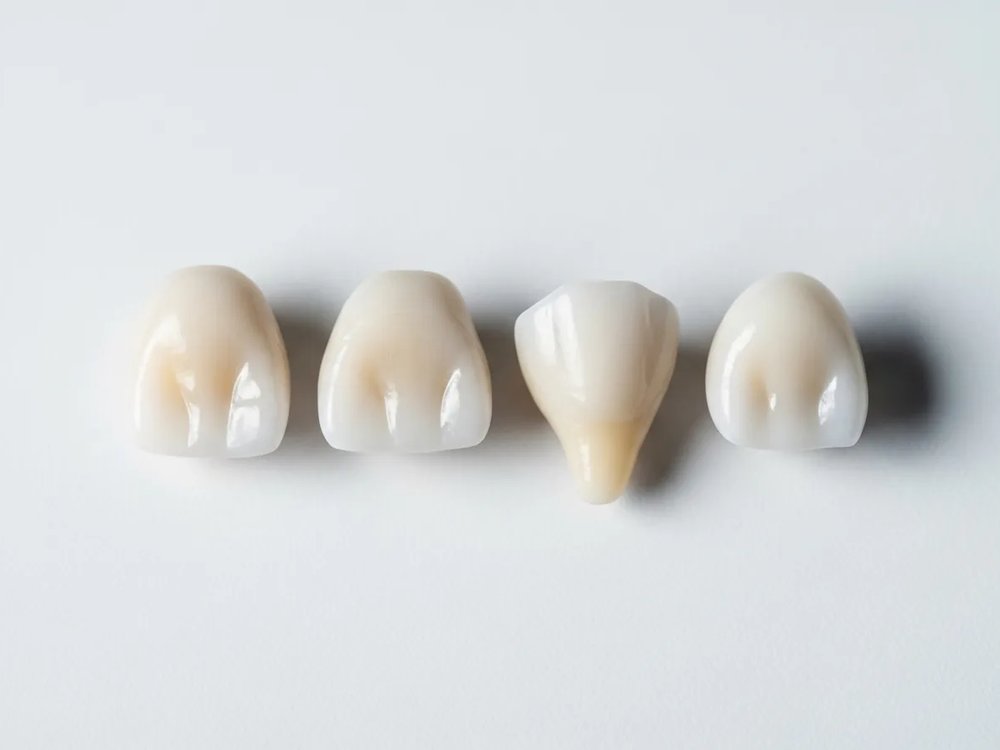
Digital manufacture
CAD/CAM implant superstructures
In the past, casting was the standard method of producing classic restorations, and only a few materials were suitable. Today, with CAD/CAM technology, the range of available materials has widened enormously.
CAD/CAM technology allows dental technicians to produce individualised, precisely fitting and attractive restorations. The framework for single teeth, bridges or whole arches is modelled on the computer with special software.
With all-ceramic materials such as high-strength, biocompatible zirconium dioxide, dental technicians can promise aesthetically demanding and durable solutions. Zirconia allows implant-supported single crowns, multi-unit bridges and even long-span bridges to be produced. The material convinces through unmatched aesthetics and fit. Ceramic is compelling in its translucency, light refraction, colour and structure, and is particularly suited to patients prone to hypersensitivity reactions.
Determining the shade individually and selecting the right colour is the decisive aesthetic criterion in producing implant prosthetics. It is essential if the natural colouring is to be carried over to the new teeth. Direct contact with the patient helps in reproducing colour and shape, and the dental technician often comes to the practice to take the shade.
The key points at a glance
- The visible part of the restoration is not made at the practice but in the dental laboratory.
- In guided implantology the laboratory produces a surgical guide that transfers the planned position onto the jaw.
- CAD/CAM technology allows individually designed implant abutments instead of prefabricated standard parts.
Answered briefly